Bariatric Surgery Changes Lives
surgical weight Loss Pocatello, idaho
Weight loss surgery is more than a procedure—it's a turning point. Under the expert care of Dr. Alexa Roth, Southeast Idaho's highest-volume female robotic bariatric surgeon, patients are losing weight for good and reclaiming the lives they deserve.
Bariatric surgery—also called weight loss surgery—is a group of minimally invasive procedures that help people with obesity achieve significant, lasting weight loss by changing how the stomach and digestive system work.
what is bariatric surgery?
the basics

Weight loss surgery procedures don't just reduce the size of the stomach. They also alter hunger hormones, improve metabolism, and in many cases reduce caloric absorption.
Ultimately, bariatric surgery creates powerful, lasting changes in the body's relationship with food and weight.
Obesity is a chronic medical condition defined as a body mass index (BMI) of 30 or higher. For many individuals who have struggled with obesity despite diet, exercise, and medication, bariatric surgery is the most effective treatment available. It's not just a last resort, but a legitimate, science-backed medical solution.
All procedures at Achieve Weight Loss are performed through small 1 cm incisions using minimally invasive robotic techniques—similar to gallbladder or appendix surgery—so patients recover faster, experience less discomfort, and get back to their lives sooner.
Minimally Invasive
All procedures performed through small 1 cm incisions with robotic precision—no large scars, faster recovery.
Long-Term Results
Unlike diets or medications alone, bariatric surgery produces durable weight loss that lasts years—even decades.
More Than Weight Loss
Surgery frequently improves or fully resolves obesity-related conditions—diabetes, hypertension, sleep apnea, and more.
Bariatric surgery is typically recommended for adults with a BMI of 35 or higher, or a BMI of 30+ with an obesity-related health condition such as type 2 diabetes, high blood pressure, sleep apnea, or joint disease.
who is a candidate?
Clinical Evidence
why bariatric surgery works
Decades of research confirm what our patients experience every day: bariatric surgery is the most effective and durable treatment for obesity—producing results that diet, exercise, and medication alone simply cannot match.
increase in life expectancy following bariatric surgery
of patients maintain 50%+ excess weight loss long-term
90%
see improvement or remission of type 2 diabetes
80%
5-14 yrs
Long-term clinical studies consistently show that bariatric surgery produces greater and more sustained weight loss than any other available treatment. Beyond the scale, patients experience dramatic improvements in overall health— with many obesity-related conditions improving significantly or resolving entirely.
Bariatric Surgery is Proven. Durable. Life-Changing.
What the research shows
Greater and more sustained weight loss than medications or lifestyle changes alone
Improvement or full remission of type 2 diabetes, hypertension, sleep apnea, and joint disease
Improved cardiovascular health and lower long-term risk of heart disease
Increased energy levels, improved mobility, and better mental well-being
Extended life expectancy — by an average of 5 to 14 years
Improved fertility and hormone regulation
Resolution of acid reflux (GERD) in many patients

which surgery is right for you?
Most Common Procedure
The sleeve removes approximately 75–80% of the stomach, creating a narrow, sleeve-shaped pouch.
This reduces how much you can eat while dramatically lowering hunger hormones—making it easier to eat less and feel satisfied.
Important Facts
Expected loss: 25–35% of total body weight
Shorter operative time and hospital stay
No rerouting of the intestinal tract
Significant improvement in metabolic health
Can be converted to bypass or switch if needed
Sleeve Gastrectomy
weight loss surgeries
Dr. Roth offers the full spectrum of modern bariatric procedures, each tailored to a patient's individual goals, anatomy, and health conditions. All surgeries are performed using advanced robotic techniques for greater precision, safety, and faster recovery.
Gold Standard for Metabolic Disease
The gastric bypass creates a small stomach pouch and reroutes the small intestine, reducing both how much you eat and how many calories your body absorbs.
It has the longest track record in bariatric surgery with excellent outcomes for type 2 diabetes and acid reflux.
Important Facts
Expected loss: 30–40% of total body weight
Highly effective for type 2 diabetes remission
Best option for patients with severe acid reflux
Decades of long-term outcome data
Strong metabolic and cardiovascular benefits
roux-en-y Gastric Bypass
Max Weight Loss Option
The duodenal switch and its simplified version, SADI (Single Anastomosis Duodeno-Ileal Bypass), combine sleeve gastrectomy with intestinal rerouting to maximize both restriction and malabsorption—producing the greatest average weight loss of any bariatric procedure.
Important Facts
Expected loss: 35–45% of total body weight
Most powerful option for super-obesity or metabolic disease
Exceptional diabetes remission rates
Requires dedicated nutritional follow-up
Dr. Roth is among few Idaho surgeons performing SADI
duodenal switch
You don't need to figure this out alone. During your consultation, Dr. Roth will review your weight loss goals, health history, and lifestyle to recommend the procedure that gives you the best possible outcome.
Not sure which procedure is right for you?
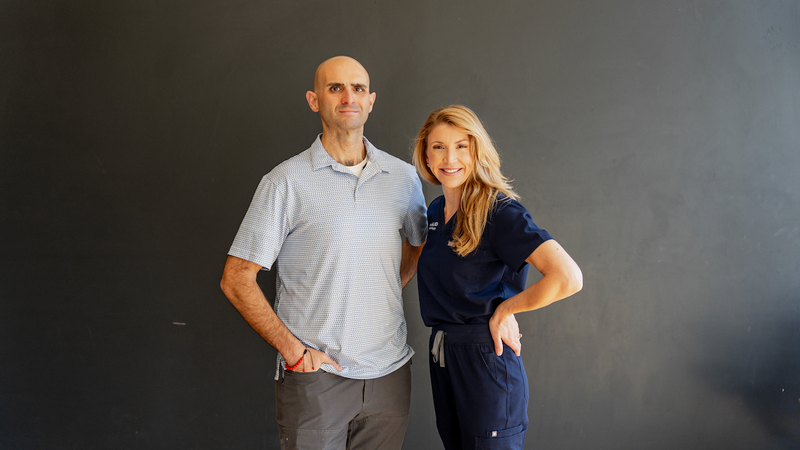
I believe in transformation—not just physically, but in how you feel, live, and engage with the world around you.
My role is to help you reclaim your life, your health, and your confidence—on your terms.
Dr. Alexa Roth
Meet the Surgeon Who Will Support You—Every Step of the Way
safe, accredited, and expert-led
safety & standards
All of Dr. Roth's surgeries are performed at an accredited bariatric center—meeting the highest national standards for surgical safety and quality outcomes. Where you have surgery is just as important as who performs it.
Accreditation is not just a credential. It's a guarantee that your care team has met rigorous national standards, that your facility is prepared for every scenario, and that you'll receive support not just during surgery, but throughout your entire weight loss journey.
Accredited centers require surgeons with verified fellowship-level bariatric training and documented case volume—not just general surgical credentials.
From pre-op assessment to post-op monitoring, accredited programs follow evidence-based protocols designed to minimize risk at every step.
Accreditation requires structured follow-up care—ensuring patients have the support they need to maintain results and stay healthy for life.
Choosing a bariatric surgeon is one of the most important decisions you'll make. At Achieve Weight Loss, you're not just choosing a procedure—you're choosing a team that will be with you every step of the way.
Expert Care. Real Results. Lasting Support.
why choose achieve
Dr. Roth holds dual board certifications in both surgery and medical weight management—offering a uniquely comprehensive perspective on your care.
As Idaho's highest-volume female robotic bariatric surgeon, Dr. Roth brings advanced robotic precision to every procedure—for better outcomes and faster recovery.
A graduate of one of the country's most respected minimally invasive bariatric surgery fellowships, Dr. Roth's training represents the gold standard in the field.
From medical weight loss to complex revisional surgery, Achieve offers every option—so your care plan is tailored to you, not limited by what's available.
Dr. Roth is backed by an attentive team of supporting providers and clinical staff. She offers personalized, responsive care at every stage of your journey.
Recognized as a trusted regional leader, Dr. Roth is the go-to bariatric specialist for patients throughout Southeast Idaho seeking expert weight loss care close to home.
a durable solution, not a daily pill
Weight loss medications like GLP-1 receptor agonists can be effective tools for some patients, and we offer them as part of our medical weight loss program. But for patients with significant weight loss goals, surgery offers something medications cannot: a durable, long-term change that continues working for years after the procedure—without requiring ongoing use.
Surgery continues to work long after the procedure is complete
No ongoing medication costs or supply concerns
Stronger and more lasting metabolic benefits for most patients
Surgery vs. Medication
More cost-effective over time than long-term medication use
Dr. Roth offers both surgical and medical weight loss options and will guide you to the solution that fits your goals, health history, and lifestyle.
Not sure which path is right for you?
Your life is waiting.
Let's get you out there.
You've done the research. You've asked the questions. Now it's time to take the first step. Book a consultation with Dr. Roth and discover which path to lasting weight loss is right for you.